OpenClaw Developer Achieves AI Agent Breakthroughs with Uber and Restaurant Booking Automation
An OpenClaw developer has made significant progress in browser automation, moving beyond the limitations that previously blocked AI agents from interacting with real websites. The developer has successfully created agents that can autonomously complete complex tasks on live sites without scripted demos.
What Actually Works Now
The developer has achieved successful completion of full flows on two major platforms:
- Uber: The agent opens the app, enters pickup and destination locations, selects ride type, and reaches the confirmation screen
- Restaurant booking: The agent finds a restaurant, fills out reservation forms, and confirms bookings
These aren't scripted demonstrations. The agents navigate real websites, handle dynamic elements, and successfully bypass bot detection systems.
Current Technical Stack
The working solution consists of several integrated components:
- Stealth browser with persistent profiles and fingerprinting
- Residential proxy routing
- CAPTCHA solving integration
The developer notes this is functional but not yet a polished product—it's currently "a bunch of pieces duct-taped together that require manual setup."
Development Direction and Community Input
The developer wants to transform this proof-of-concept into something usable by any OpenClaw user, but is seeking community feedback before building the "ideal" version. The long-term vision is "install a skill, your agent gets a full browser environment with your saved sessions, and it can go do things on the web autonomously."
For immediate development, the developer is asking the community specific questions:
- What specific automation tasks have failed due to browser limitations?
- What sites/services do you wish your agent could use? (Uber, Airbnb, LinkedIn, government portals, food delivery, etc.)
- What format would be most useful right now?
The developer presents several format options for community consideration:
- a) An OpenClaw skill that gives your agent a stealth browser
- b) A standalone tool you run on a VPS and connect your agent to
- c) A desktop browser app that handles anti-detection, sessions, and fingerprinting out of the box
- d) Just a setup guide so you can wire the pieces together yourself
- e) Something else
The developer also asks whether users would accept a VPS requirement or need local machine functionality.
📖 Read the full source: r/openclaw
👀 See Also

Learning-Kit: A Claude Code Plugin for Codebase Onboarding and Exploration
Learning-kit is a free Claude Code plugin that analyzes repositories to generate structured learning plans and interactive tutorials. It helps developers understand unfamiliar codebases before making changes, with configurable enforcement modes and progress tracking.
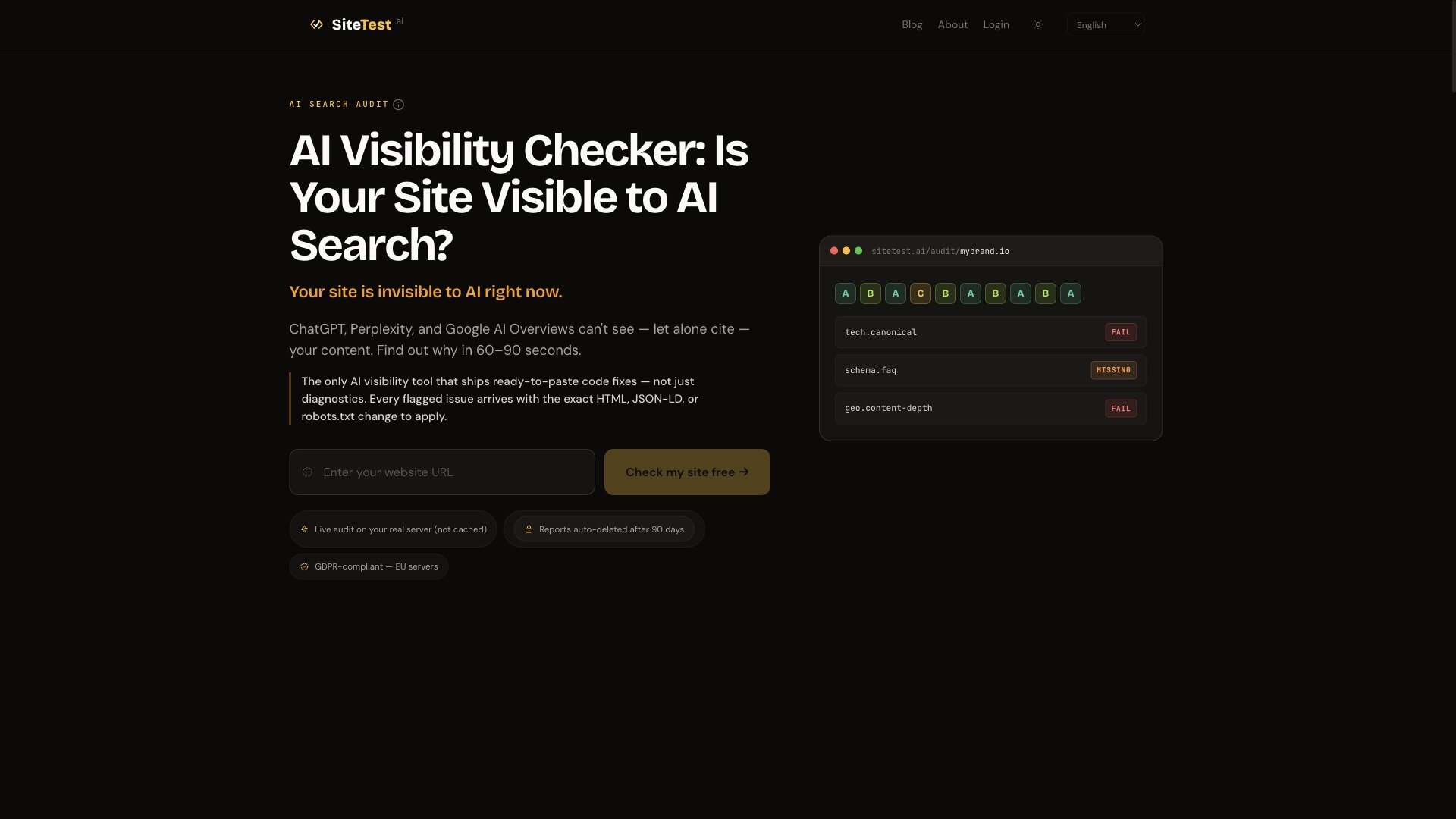
SiteTest.ai launches a free AI Visibility Checker for ChatGPT, Perplexity & Gemini
New free tool sitetest.ai runs a 168-point GEO audit, probing GPTBot, PerplexityBot and Google-Extended on your real server. Per-engine A–F grade plus copy-paste code fixes.

Claude Code v2.1.229: Remote Control, Plugin Marketplaces, and Critical Fixes
Claude Code v2.1.229 adds Remote Control --continue, plugin marketplace command sources, SSE keepalives, and fixes crashes, MCP OAuth, and file-watcher leaks.

Why Your Claude Code UI Output Drifts and How a Structured Spec Fixes It
A developer explains that inconsistent UI output from Claude Code isn't a prompt problem — it's a format problem. Providing exact hex codes, font weights, spacing, screen states, and transitions eliminates drift. They also open-sourced an MCP server that converts screen recordings into structured specs.