OpenClaw User Switches to RunLobster for Managed Infrastructure
A developer shared their experience with OpenClaw after 4 months of troubleshooting various issues. They reported problems with agents stalling, configurations breaking, WhatsApp integrations dropping, and unpredictable API billing. Despite trying numerous fixes including adjusting system prompts, switching models, rewriting skills, building monitoring scripts, and adding cost alerting wrappers, the system remained unreliable.
What Changed with RunLobster
After switching to RunLobster (runlobster.com), the developer reported immediate improvements:
- Same underlying models and OpenClaw framework
- Multi-step tasks completed successfully
- Integrations connected in minutes instead of days
- No configuration files to maintain
- No overnight agent loops burning through budget
The Infrastructure Difference
The developer identified the core issue: "The difference was not the AI. The difference was infrastructure." They realized they were trying to handle both development and DevOps responsibilities, and most problems reported in the OpenClaw community were actually self-hosting problems rather than framework issues.
Specific infrastructure problems mentioned include:
- Docker problems
- Configuration problems
- Infrastructure management issues
The developer noted that these infrastructure problems disappear when handled by a managed service. They emphasized that while self-hosting is part of the OpenClaw community identity, many reliability issues stem from setup rather than the framework itself.
📖 Read the full source: r/openclaw
👀 See Also
Claude Code vs Codex: 6-Project Practical Experiment Breakdown
A practical experiment comparing Claude Code and Codex across 6 projects—web, backend, and free challenge—with cross-reviews, self-audits, and scoring.
OpenClaw Orchestrator Routing Issues: When Delegation Fails
A developer reports their OpenClaw main orchestrator incorrectly handles requests itself about 40-50% of the time instead of routing to specialist sub-agents, despite using an explicit routing table and delegation rules. The setup includes 7 specialist agents for services like Gmail, Todoist, Notion, and weather.
Splitting AI Agents to Prevent Context Dropping
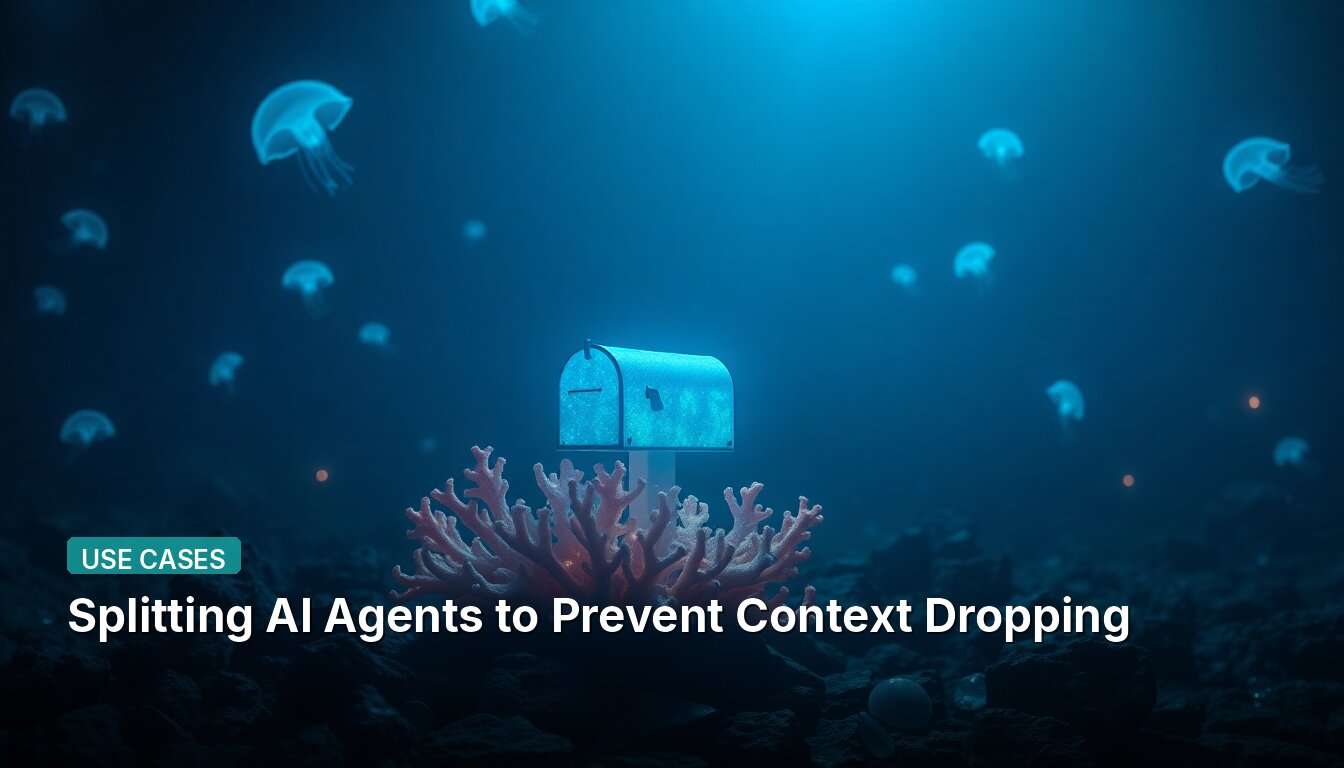
A developer describes splitting a single AI agent into three specialized agents with separate memory and workspaces to prevent context window issues. The agents communicate through a simple mailbox system to coordinate tasks like trip planning.
OpenClaw User Builds Bank and Credit Card Statement Summarization Skills
A new OpenClaw user self-hosted the tool on a hardened server and used it to develop two custom skills: one to summarize and categorize bank statements, and another to summarize credit card statements with categorization and break detection. The skills automatically generate reports when new statements appear and send Telegram notifications.