AI Ate the Translation Layer: The Org Chart After Agents
Ajey Gore, drawing from decades in engineering leadership, argues the agent shift is finally itemizing the bill for a bloated middle layer. The core insight: AI didn't come for job titles; it came for translation — the task of converting one well-defined input into a well-defined output.
What the traditional org chart looked like
- Why (top): business strategy, market bets
- What (middle): product decisions, feature cuts
- How (broad base): engineers, PMs, scrum masters, tech leads — translating intent into code, tickets, deployments, releases
Gore notes the middle layer existed primarily as a translation pipeline: business intent → product spec → JIRA ticket → branch name + PR → deployment → release note → status update. Each step had its own ceremony, title, and meeting cadence. Frameworks like Agile, SAFe, and Spotify model optimized that pipeline.
What AI ate
AI compressed the translation task by an order of magnitude. Natural language to SQL, requirements to code, ticket to PR, design spec to working component — all got cheap. The middle, where most headcount lives, is dissolving.
What remains hard
- Why is harder: cheap execution means bad bets ship faster
- What is harder: cheap execution multiplies options; judgment under abundance is its own discipline
The manager who doesn't contribute
Engineering managers who coordinated translation (standups, unblocking, status updates, priority negotiation) face a problem: the work that justified their role is dissolving. Gore identifies two patterns:
- Denial — defending rituals (standups, JIRA hygiene) because rituals make the role visible
- Shift — managers who start writing, designing, or using agents themselves
The article is a frank, non-doomer diagnosis of how org charts must adapt when the translation pipeline collapses.
📖 Read the full source: HN AI Agents
👀 See Also
Parallel Sub-Agents in Claude Code: When They Save vs. Burn Tokens
Anthropic reports multi-agent systems use ~15× more tokens than a single chat, but prompt caching offers 90% discount on tokens. Whether sub-agents save or burn money depends on cache hit rates.
Otterly: Route OpenClaw Through Your Claude Code Subscription
Otterly is a small npm package that exposes the local Claude CLI as an OpenAI-compatible HTTP server, letting you bill OpenClaw requests to your Claude Code subscription instead of pay-per-token API rates.
DeepMind DiscoRL Meta Learning Update Rule Ported from JAX to PyTorch
A developer has ported DeepMind's DiscoRL meta learning update rule from the 2025 Nature article from JAX to PyTorch. The implementation includes a GitHub repository with a Colab notebook, API, and weights hosted on Hugging Face.
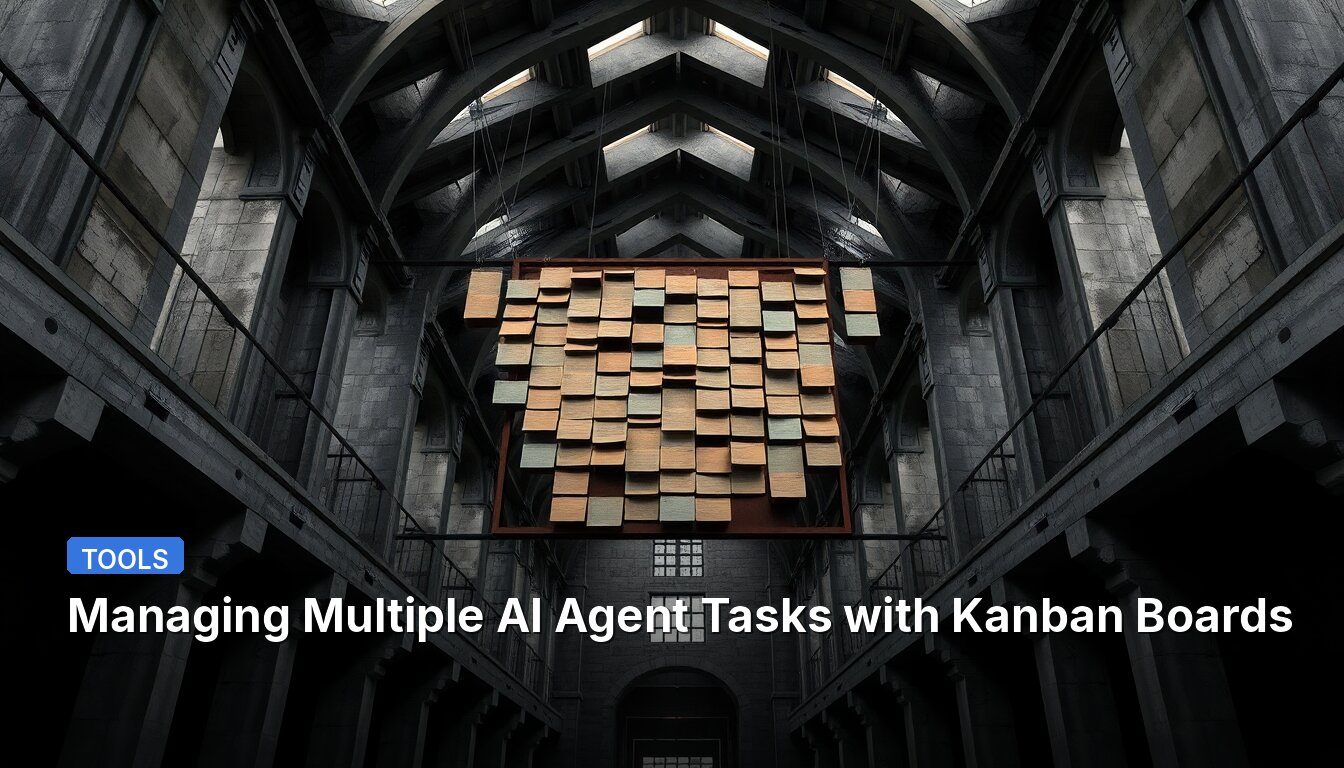
Managing Multiple AI Agent Tasks with Kanban Boards
A developer shares their experience running multiple Claude AI agents in terminal tabs and identifies three key workflow challenges: lack of progress visibility, context loss when switching between tasks, and rate limit interruptions. Their solution involves treating AI tasks like work items on a Kanban board.